
Ever wondered how a quick zap of light can banish unwanted hair for good? Laser hair removal uses concentrated light energy to destroy hair follicles at their root, delivering 70-90% permanent reduction for most patients.
The technology targets melanin in hair shafts with precise wavelengths of light, heating follicles to the point where they can no longer produce hair. It’s safe, FDA-cleared, and far more effective than temporary methods like waxing or shaving.
This guide breaks down the science behind laser hair removal, what happens during sessions, realistic timelines for results, and answers to your most pressing questions about effectiveness and safety.
The Science Behind Laser Hair Removal
Laser hair removal works through a process called selective photothermolysis, where specific wavelengths of light target pigment in the hair without damaging surrounding skin.
How the Laser Targets Hair
- The laser emits focused light absorbed by melanin, the pigment in hair
- Melanin converts light energy into heat
- Heat travels down the hair shaft to the follicle
- The follicle reaches temperatures of approximately 70°C, disabling its ability to produce new hair
- Surrounding skin remains protected when treatments are properly calibrated
Laser Types and Skin Tone Compatibility
Alexandrite Lasers (755 nm)
- Best for lighter skin tones
- Most effective on dark, coarse hair
Nd:YAG Lasers (1064 nm)
- Safer for darker skin tones
- Penetrate deeper with lower melanin absorption in the skin
Why Multiple Sessions Are Required
Hair grows in three phases:
- Anagen (active growth)
- Catagen (transition)
- Telogen (resting)
Laser hair removal only disables follicles during the anagen phase, when hair is actively growing. Because only 20 to 30% of follicles are in this phase at any time, treatments must be spaced 4 to 8 weeks apart to effectively target all follicles as they cycle through growth.
What Responds Best to Laser Treatment
- Dark, coarse hair absorbs laser energy most effectively
- Lighter hair types, such as blonde, red, or gray, contain less melanin and may respond more gradually or less dramatically
What Happens During a Laser Hair Removal Session
Knowing what to expect before, during, and after treatment helps you feel prepared and confident.
Before Treatment
- Shave the treatment area 24 hours prior so the laser can target the follicle beneath the skin
- Avoid waxing, plucking, or threading for at least four weeks, as these remove the hair root needed for treatment
During Your Session
(Typically 10 to 60 minutes, depending on the area)
- The provider cleanses the skin and applies a cooling gel
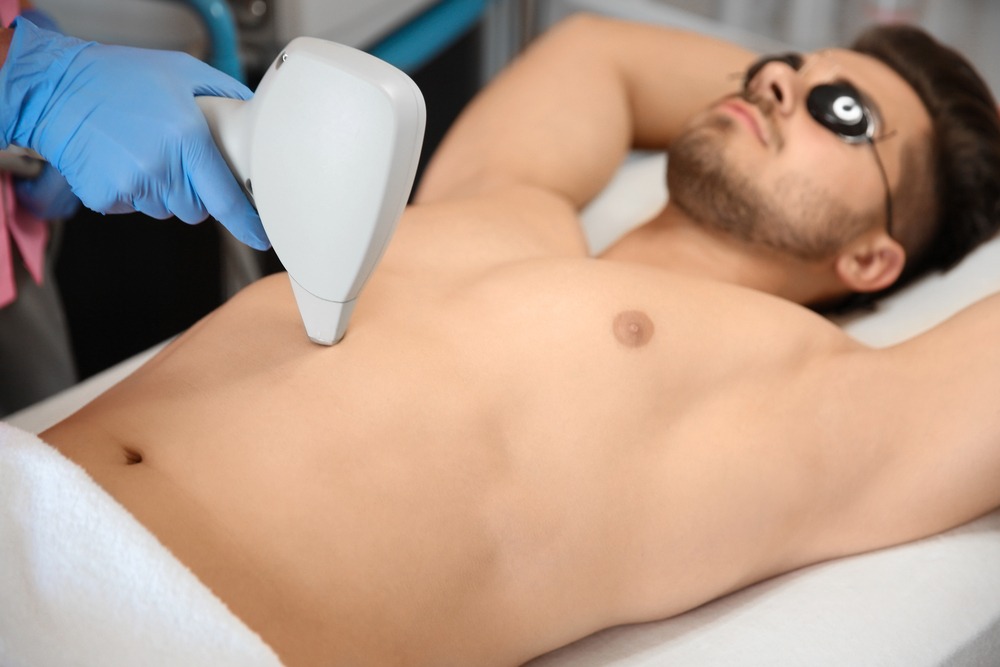
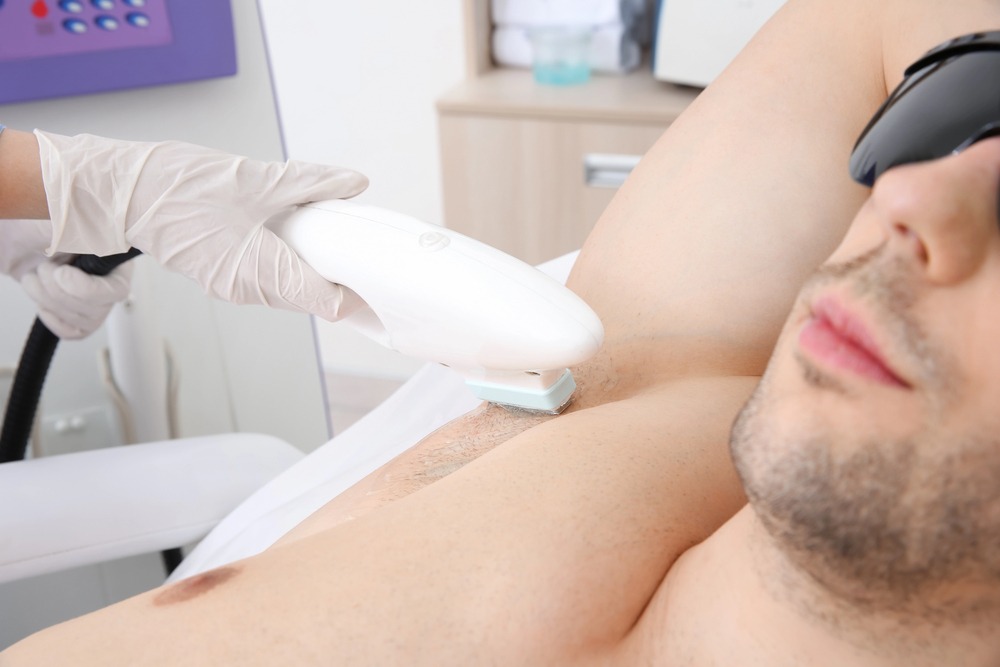
- The laser delivers controlled pulses of light that feel like a mild snap with warmth
- Built-in cooling protects the skin throughout treatment
- The handpiece moves methodically to ensure even, complete coverage
After Treatment
- Mild redness or swelling, similar to a light sunburn, is common and usually resolves within a few hours to three days
- Aloe or ice packs can help soothe temporary sensitivity
- Avoid sun exposure, hot showers, saunas, and intense exercise for 48 hours
- Treated hairs shed naturally over 1 to 3 weeks as follicles release damaged hair
Timeline: How Quickly You’ll See Results
Laser hair removal delivers gradual, cumulative results rather than instant hair loss.
Weeks 1 to 3 After Your First Session
- Treated hairs begin to shed naturally
- 10 to 25% reduction becomes noticeable
- Remaining hair appears finer and grows more slowly
After Sessions 3 to 6
- 50 to 80% reduction typically achieved
- Hair grows back thinner and more sparsely
- Time between sessions may be extended as regrowth slows
After a Full Treatment Series (6 to 8 Sessions)
- 80 to 90% long-term hair reduction for most patients
- Any remaining hair is usually lighter and finer
- Sessions are typically spaced 4 to 6 weeks apart throughout the series
| Session # | Expected Reduction | When You’ll Notice |
| 1-2 | 10-30% | 2-4 weeks |
| 3-6 | 50-80% | 2-3 months |
| 6+ | 80-90% | 6-12 months |
The Reality: Rushing between sessions doesn’t accelerate results. Following recommended spacing allows your body’s natural hair growth cycles to work in your favor.
How Well Laser Hair Removal Actually Works
Laser hair removal is one of the most effective long-term solutions for unwanted hair when treatments are completed as recommended.
Success Rates
- Most patients achieve 70 to 90% permanent hair reduction after completing a full treatment series
- Results are cumulative and improve with each properly spaced session
What Improves Effectiveness
Hair Characteristics
- Dark, coarse hair responds best due to higher melanin content
- Fine or light hair may require additional sessions and show more gradual results
Consistent Treatment Timing
- Following your recommended schedule ensures follicles are treated during active growth
- Irregular spacing can reduce overall effectiveness
Skin Tone
- Historically, Fitzpatrick skin types I to IV showed the strongest response
- Modern laser technology has significantly improved safety and results for darker skin tones
Treatment Area
- Areas with stable hormone activity, such as legs, underarms, and bikini lines, tend to have more lasting results
- Hormonally sensitive areas, especially the face, may require ongoing maintenance
Setting Realistic Expectations
Laser hair removal delivers permanent hair reduction, not total hair elimination. While treated follicles are permanently disabled, your body can activate new follicles over time, particularly due to aging, pregnancy, or hormonal changes.
Maintenance
- Most patients benefit from one to two maintenance sessions per year
- Occasional touch-ups help preserve smooth results long-term
Is Laser Hair Removal Actually Permanent?
Laser hair removal delivers permanent hair reduction, not complete, lifelong removal. Understanding what “permanent” really means helps set realistic expectations.
What “Permanent” Means
- Laser energy permanently disables hair follicles treated during the active growth phase
- Once a follicle is destroyed, it cannot produce new hair
Why Results Are Not 100% Forever
- Dormant follicles can activate later due to hormonal changes
- New follicles naturally develop with aging
- Pregnancy, menopause, or conditions such as PCOS can trigger new growth
For these reasons, results are classified as permanent reduction rather than total permanence.
How Laser Compares to Other Hair Removal Methods
Waxing and Shaving
- Remove only surface hair
- No effect on the follicle
- Require constant maintenance
IPL (Intense Pulsed Light)
- Uses a broader, less targeted light spectrum
- Generally less precise and less effective than laser
Electrolysis
- The only FDA-approved method for permanent hair removal
- Treats one follicle at a time
- Impractical for large treatment areas
Laser hair removal offers the best balance of efficiency, comfort, and long-term reduction for treating larger areas. With proper treatment and maintenance, most patients achieve smooth results that last for years.
Common Side Effects and Downsides
Laser hair removal is generally safe, but like any medical-aesthetic treatment, it comes with expected reactions and a few limitations.
Common, Temporary Side Effects
- Mild redness and swelling similar to a light sunburn
- Temporary itching or sensitivity as treated hairs begin to shed
- These reactions usually resolve within 1 to 3 days and indicate a normal skin response
Rare but Possible Complications
- Burns, blistering, or changes in skin pigmentation can occur if energy settings are too aggressive
- Risk is significantly reduced when treatments are performed by experienced, medically trained providers using FDA-cleared equipment
Practical Considerations
- Cost and time commitment: High-quality treatments require multiple visits and an upfront investment
- Multiple sessions needed: Most patients need 6 to 12 sessions spaced over several months, which requires consistency
- Hair type limitations: Laser is less effective on blonde, red, gray, or very fine hair due to lower melanin levels
- Sun exposure restrictions: Recently tanned skin increases burn risk, so treatments should be avoided until skin returns to its natural tone
Myths and Misconceptions About Laser Hair Removal
There is a lot of misinformation around laser hair removal. Here are clear, evidence-based answers to the most common questions.
“Does laser hair removal help rosacea?”
No. Laser hair removal targets melanin in hair follicles, not the blood vessels involved in rosacea. In some cases, facial treatments may temporarily increase redness, so anyone with rosacea should consult a dermatologist before treatment.
“Does laser hair removal cause cancer?”
No. Laser hair removal uses non-ionizing radiation, which does not damage DNA and is fundamentally different from radiation used in X-rays or CT scans. The technology is FDA-cleared and has been extensively studied for safety.
“Is there an age limit for treatment?”
There is no strict upper age limit. Laser hair removal is most effective after puberty, when hormone-driven hair growth patterns are more stable.
“Does laser hair removal work on all body areas?”
Laser hair removal can be used on most areas of the body, except directly around the eyes. Common treatment areas include the face, underarms, bikini line, legs, arms, chest, back, and abdomen.
Who Is a Good Candidate for Laser Hair Removal?
Laser hair removal works best when skin and hair characteristics allow the laser to target pigment effectively and safely.
Ideal Candidates
- Light to medium skin tones with dark, coarse hair
- Individuals seeking long-term hair reduction rather than temporary removal
- Patients willing to commit to multiple sessions and maintenance
Advances in laser technology have expanded safe and effective treatment options for darker skin tones and some finer hair types.
When to Avoid or Postpone Treatment
- Recent sun exposure, tanning beds, or self-tanning products
- Wait 4 to 6 weeks before treatment
- Use of medications that increase photosensitivity, such as
- Isotretinoin
- Tetracycline antibiotics
- Certain anti-inflammatory medications
- Pregnancy, due to hormonal fluctuations that can affect results
- Active skin infections, open wounds, or severe eczema in the treatment area
Preparation Tips
- Schedule treatments during fall or winter when sun exposure is limited
- Avoid waxing, plucking, or threading for four weeks before your first session
- Shave the treatment area 24 hours before each appointment
Aftercare for Best Results
- Protect treated skin from sun exposure for at least two weeks
- Apply broad-spectrum SPF 30+ daily
- Avoid hot showers, saunas, pools, and intense exercise for 48 hours
- Use gentle, fragrance-free moisturizers until any redness resolves
Experience Lasting Smoothness
Laser hair removal works by targeting hair follicles during their active growth phase, using focused light energy to permanently disable them. With 6 to 8 properly spaced treatments, most patients achieve 80 to 90% long-term hair reduction that significantly reduces the need for ongoing maintenance.
At Maven Integrative Aesthetics, every treatment is guided by medical expertise and tailored to your unique skin, hair, and growth patterns. Our approach prioritizes safety, comfort, and precision so each session builds toward predictable, lasting results rather than short-term fixes.
Laser Hair Removal Investment Guide
- Small areas (upper lip, underarms, bikini line): starting at $550 for six sessions
- Medium areas (full face, full bikini): starting at $825 for six sessions
- Large areas (half legs, chest): starting at $1,050 for six sessions
- Extra-large areas (full legs, full back): starting at $1,325 for six sessions
- Full-body “Sphynx” package (seven areas): $6,000 for six sessions
The best results start with the right plan. A professional consultation allows us to assess your goals, explain your personalized timeline, and ensure laser hair removal is the right fit for you.
Schedule your consultation today and take the guesswork out of long-term hair reduction.
Smooth results come from thoughtful care, and we are here to guide you every step of the way.
Frequently Asked Questions
Does laser really remove hair permanently?
Laser permanently disables treated follicles, delivering 80 to 90% lasting hair reduction. Dormant follicles may activate later due to hormonal changes, which is why maintenance sessions once or twice per year help preserve smooth results.
What is the downside of laser hair removal?
The main downsides include the financial investment, the need for multiple sessions over several months, and reduced effectiveness on very light or fine hair. Temporary redness and swelling are common but usually resolve quickly.
Do I have to shave before laser hair removal?
Yes. Shaving 24 hours before treatment allows the laser to target the follicle beneath the skin rather than surface hair. Avoid waxing, plucking, or threading, as these remove the hair root needed for laser targeting.
Does laser help rosacea?
No. Laser hair removal targets melanin in hair follicles, not the vascular issues that cause rosacea. Some patients find facial hair removal temporarily increases redness.
How many sessions until I see results?
Most patients notice hair shedding within 2 to 4 weeks after the first session, with about 10 to 25% reduction. Significant results of 50 to 80% reduction typically appear after 3 to 6 sessions, while full results of 80 to 90% reduction usually require 6 to 8 sessions spaced 4 to 6 weeks apart.